
Fate War
IGG.COMStrategy
4.43.66K Reviews
- Version
- 1.2.31
- Installs
- 1.00M
- Age Rating
- Teen
Screenshots



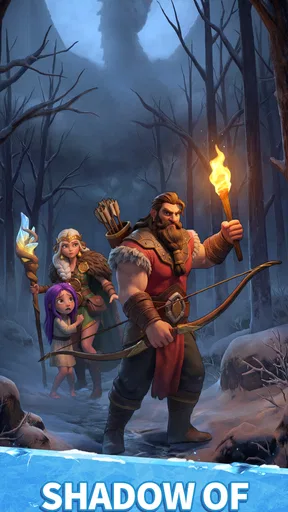
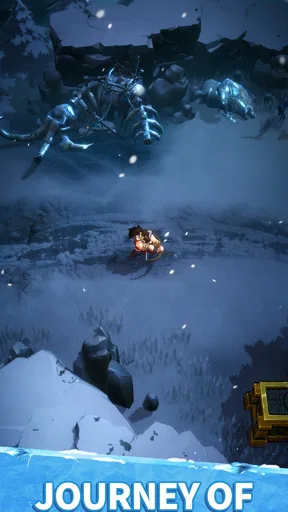



Our Review of Fate War
 Analysis by Appyee
I find Fate War easiest to enjoy when I treat it as a shared hobby rather than a game that everyone in a household should automatically play on the same account. Its mix of planning, territory, and alliance interaction gives players plenty to talk about, but it also asks for individual decisions and ongoing attention. If one person likes checking a strategy game between daily tasks while another prefers short, self-contained rounds, agreeing on who plays and when can prevent a lot of frustration.
A shared device needs clear boundaries
On a family tablet or a phone that gets passed around, I would decide whose game account is being used before starting. Strategy games can build up a distinctive settlement and progression, so casually switching players on one profile risks muddling choices and making it hard to tell who made them. I would also avoid treating another person’s saved game as a communal project unless everyone is genuinely happy to share control.
That matters especially when younger players are involved. A quick turn at the game can become a longer session if someone wants to check resources, adjust troops, or respond to other players. I’d set expectations about device time and account access outside the game rather than assume the game will enforce household rules. For shared devices, a separate profile or a clear handoff routine is a more sensible boundary than relying on memory after everyone has started playing.
Coordination without turning play into a chore
Alliance play can give a household a reason to coordinate, but it works best when it stays voluntary. I’d talk about what each person wants from the game before joining the same group: one player may enjoy planning and communication, while another may simply want to build at their own pace. If those preferences differ, playing separately can be more relaxing than trying to make every decision together.
A practical routine is to agree on a small window for shared play, then let each person handle their own choices outside it. That helps keep chat and strategy from taking over dinner, homework, or downtime. It also makes the game easier to fit around real life: you can discuss a plan when everyone is available without expecting another person to be online whenever you are.
Age, spending, and trust
The game is rated for teens, which gives families a useful starting point for deciding whether it suits a particular player, but it is not a substitute for knowing the person using the device. I would consider how comfortable they are with competitive play, interaction with other players, and the possibility that a free game may offer purchases. The in-app purchase range runs from $0.99 to $299.99 per item, so I would check the device’s purchase settings and talk through spending expectations before handing it over.
That conversation is worthwhile even for adults sharing a payment method. A player should know whose account is signed in, which payment method is attached, and whether purchases require approval. I would not assume that a shared device means shared permission to spend. Clear rules are kinder than discovering an unexpected charge after the fact.
Getting Started with Fate War
First things first, downloading Fate War is a breeze. Whether you're on Android or iOS, just head to your app store and you’ll find it easily. Once it's on your device, the real fun begins.
The game opens with a brief but engaging tutorial that guides you through the basics. I appreciated how it didn't drag on forever, but still managed to cover all the essentials. You’re introduced to the main mechanics – building your army, managing resources, and plotting your strategies to conquer new territories.
Gameplay and Mechanics
What sets Fate War apart is its blend of strategy and role-playing elements. You’re not just commanding troops; you’re also building alliances and making decisions that impact your overall journey. The interface is intuitive, which makes navigating battles and managing resources straightforward.
The battles are where the game truly shines. You can’t just haphazardly send your troops into the fray; you need to consider their strengths, weaknesses, and even the terrain. It’s a satisfying challenge that keeps you on your toes.
For me, the useful question is not simply whether the battles are engaging, but whether I can give them the attention they deserve in the time I have. If I’m squeezing in a session while waiting for an appointment, I focus on a small management task rather than starting a plan that needs careful thought. When I have a longer, uninterrupted stretch, I’m more willing to weigh a battle and its terrain before committing. That distinction is a practical way to enjoy the tactical side without turning every spare minute into a demand to make decisions.
Planning around weather and the map
The island setting gives the strategy a useful wrinkle: the game features realistic weather simulation. I would treat weather as a reason to pay attention to the conditions around a plan rather than assuming the same approach will always work. When deciding what to do next, it can be worthwhile to pause, look at the current situation, and avoid committing resources just because a familiar move worked previously.
A small habit that helps in games built around resource management is to check what a planned action will leave behind. Before training troops or upgrading a building, I’d consider whether I’m keeping enough flexibility for the next decision. That kind of reserve can matter more than chasing the fastest possible expansion, especially if a change in conditions or a battle makes the original plan less attractive. It is not a promise of an easy win; it is a way to avoid making every choice with nothing left in hand.
Graphics and Sound
Visually, Fate War is stunning. The graphics are vibrant and detailed, offering a rich landscape for your battles. Each unit and building is rendered beautifully, making the game a treat for the eyes.
And let's talk about the sound design! The background music is epic enough to make you feel like a true strategist commanding your forces. The sound effects are crisp and add to the immersive experience. I found myself getting lost in the world of Fate War more often than I care to admit.
That immersive quality is a plus when I’m settled in, but it is not always ideal in a shared room or a quiet moment. I’d keep the volume low or use headphones when other people are nearby, and I would not use a lively battle session as background play if I need to focus on something else. The game’s visual detail also makes a larger screen appealing, while a phone is more convenient for brief check-ins; the best device is the one that fits the session rather than the one that makes the game feel like an obligation.
Building Your Empire
Resource management is a key aspect of the game. You’ll need to gather materials, upgrade buildings, and train your troops wisely. It’s a balancing act that requires patience and foresight. The developers did a great job ensuring that each decision feels impactful.
Expanding your territory is both challenging and rewarding. The map is vast, with plenty of areas to explore and conquer. Each new region offers unique challenges and opportunities, keeping the gameplay fresh and engaging.
My practical tip is to choose a clear priority for each session instead of trying to push every part of the empire forward at once. I might focus on a building upgrade, troop preparation, or a map objective, then reassess before spending the rest of my resources. This makes progress easier to understand and helps limit impulse decisions. It is especially useful for a newer player who is still learning which activities feel rewarding and which ones simply consume resources without supporting a preferred style of play.
Community and Interaction
One of the highlights of Fate War is its community aspect. Joining alliances can provide strategic advantages, and the in-game chat allows for easy communication with fellow players. It's a great way to strategize and form bonds with other players worldwide.
The developers are active within the community, frequently updating the game with new content and improvements. It's clear they value player feedback, which is always a plus in my book.
For a newcomer, I’d treat alliance participation as a choice to make after getting comfortable with the basic loop, not as a requirement for enjoying the game. Chat can add useful context and a social layer, but it also means the experience is less solitary than a conventional single-player strategy game. If you want a quiet puzzle you can pause and put aside without social coordination, a turn-based or offline-focused alternative may suit you better. If you like comparing plans and talking through decisions, the alliance layer is a more compelling reason to stay.
There is also a difference between a game that offers a clear next move and one that asks you to keep checking in. I would pay attention to how often I feel pulled back to the island, and whether that rhythm remains enjoyable. If I start opening it out of habit rather than because I want to make a meaningful decision, I’d take a break instead of treating constant attention as part of being a good alliance member. That boundary keeps a strategy game in its proper place: entertainment, not another household responsibility.
Who will enjoy it, and who may prefer something else
I think this is a better fit for players who like gradual development, tactical battles, resource choices, and the possibility of coordinating with other people. The island and weather give its setting a more specific identity than a bare collection of menus, while the alliance and territory elements give longer-term goals some social weight. For someone who enjoys planning between sessions and watching a settlement take shape, that combination is appealing.
It is less suited to a player who wants a complete story in short, neatly finished chapters, or who dislikes multiplayer communication and persistent progression. A compact puzzle strategy game is a better choice when you want a self-contained challenge with no alliance considerations. A more purely competitive tactics game may be preferable if the main attraction is tightly focused battles rather than growing a settlement and balancing its needs. I would also skip it for a child who is not ready for the teen rating, social interaction, or a conversation about optional spending.
How it fits into the strategy field
Compared with the usual mobile strategy alternatives, Fate War sits closer to a developing-world and alliance game than to a quick match that begins and ends in one sitting. That gives it more room for planning and shared goals, but also means it may ask more patience than a casual tactics title. Its realistic weather simulation is a notable part of its island identity; I would not choose it solely on that detail, but it does give the setting a strategic consideration beyond simply looking at the map.
The game is free to start, and its in-app purchases range from $0.99 to $299.99 per item. I’d go in with a spending limit in mind and treat purchases as optional rather than necessary proof of progress. The current version is 1.1.0, and the game requires Android 5.1 or later. It is developed by IGG.COM, has a 4.4 average from around 264,000 ratings, and has passed one million installs. Those figures suggest a substantial audience, but they cannot tell me whether its pace, social side, or spending model will suit a particular player.
Final Thoughts
Overall, Fate War is a fantastic addition to the strategy genre. It offers a rich, immersive experience that’s both challenging and rewarding. Whether you're a seasoned strategist or a newcomer to the genre, this game has something to offer.
So, if you’re ready to dive into a world of strategy, alliances, and epic battles, give Fate War a try. It’s an adventure that promises to keep you engaged for hours on end!
My household verdict is positive with a few sensible boundaries. I’d recommend it to a teen or adult who enjoys building over time and making choices with other players in the picture, especially if they can keep a clear account and spending boundary on a shared device. I’d choose a more self-contained strategy game for anyone who wants brief, fully independent rounds or has no interest in alliance chat. The game is free, rated for teens, and its listed release date is Aug 4, 2025; those details help frame the decision, but what matters most is whether its steady planning and social rhythm feel enjoyable rather than demanding.
Verdict
Strengths of Fate War
- Engaging storyline with surprising twists.
- Beautiful graphics enhance the gameplay.
- Intuitive controls for easy navigation.
- Regular updates with new content.
- Multiplayer mode fosters community interaction.
Limitations of Fate War
- Requires constant internet connection.
- Frequent ads can be intrusive.
- In-app purchases can be pricey.
- High battery consumption during play.
- Limited offline gameplay options.
Other Releases by IGG.COM
View All
Lords Mobile: Kingdom Wars
Strategy4.5

Castle Clash: World Ruler
Strategy4.4

Doomsday × FAIRY TAIL
Strategy4.5

Time Princess: Pearl Girl
Role Playing4.6
Similar Picks in This Category
View All
Clash of Clans
Supercell4.5

Plants vs. Zombies™
ELECTRONIC ARTS3.7
Lords Mobile: Kingdom Wars
IGG.COM4.5

Clash Royale
Supercell4.4

State.io — Conquer the World
CASUAL AZUR GAMES4.1

Car Driving School : Car Games
Spark Game Studios3.9
Frequently Asked Questions
What is Fate War, and what type of game is it?
Fate War is a strategy-based role-playing game available on both Android and iOS platforms. The game immerses players in a fantasy world filled with epic battles, mythical creatures, and intriguing storylines. Players must build armies, form alliances, and make strategic decisions to progress through various quests and challenges.
Is Fate War free to play, or does it include in-app purchases?
Fate War is free to download and play; however, it offers in-app purchases. Players can buy virtual currency and items to enhance their gameplay experience. These purchases are optional and not necessary to complete the game, but they can provide advantages such as faster progress or exclusive items.
What are the system requirements for Fate War on mobile devices?
Fate War requires a device running Android 5.0 or iOS 10.0 and above. It is recommended to have at least 2GB of RAM and 500MB of free storage space for optimal performance. The game also requires an active internet connection to access all features, including multiplayer modes and updates.
Is there a multiplayer mode in Fate War?
Yes, Fate War includes a robust multiplayer mode where players can team up with friends or compete against others globally. The game features PvP battles, guild formations, and cooperative quests, offering a dynamic social experience. Players can join clans, participate in events, and climb the leaderboards to showcase their skills.
How does Fate War ensure player security and privacy?
Fate War is committed to protecting player privacy and security. The game employs encryption and secure servers to safeguard personal information and transactions. Players are encouraged to use strong passwords and enable two-factor authentication if available. The game also provides parental controls to manage in-app purchases and screen time for younger players.
Play our best games!


